10-24-25 | Our Programs Partnerships Trips Volunteers
Beginning with High Expectations
We landed at Comayagua airport full of expectations and with many questions about how our trip to Honduras would unfold, eager to see firsthand the projects we support through Fabretto.
From the very first moment, we felt part of the team, surrounded by welcoming people who were delighted to receive us and share their experiences. This smooth landing was, without a doubt, a promising start to an exciting journey.
Visiting rural communities in Honduras—Marcala, Zamorano, and Cantarranas—allowed us to witness the educational reality of children and youth, and how Fabretto’s projects are helping to change their futures.
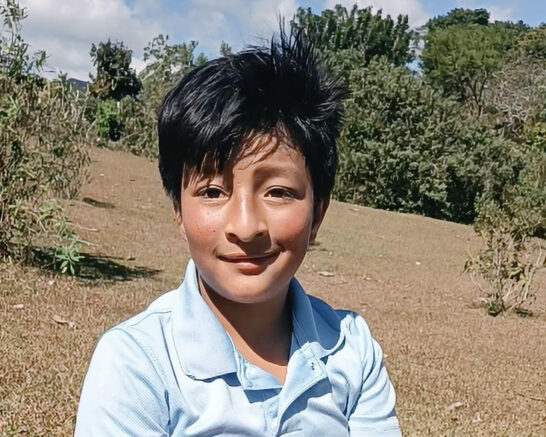
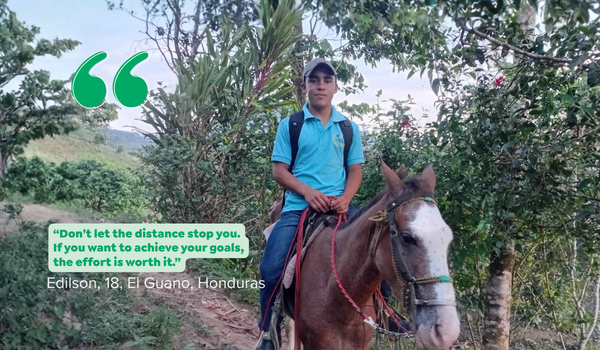
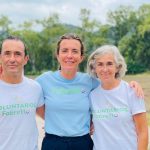
The first thing that strikes you is the determination of children and youth to learn and their unwavering commitment to building their future through their own effort. We met young people who walked two to three hours to get to school, as well as those who had dropped out and later regained their passion for learning, reclaiming their educational path. Truly inspiring examples of courage, perseverance, and consistency.
 The Transformative Power of Education
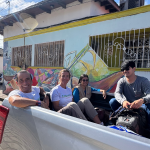
The lack of transportation infrastructure in these areas intensifies isolation. In Honduras, distances are measured not in kilometers but in travel hours. Knowing that a destination is 40 km away is little help, as the journey can take anywhere from 50 minutes to three hours, due to the conditions of the roads.
The enthusiasm and determination of youth to learn, grow, and become community role models is a driving force for social change. We saw how these young people have become community leaders, creating positive ripple effects for those around them. What they learn at school is applied directly to their families and neighbors.
School gardens, where students learn new cultivation techniques and grow new vegetables, are maximizing crop productivity and introducing new crops like chili peppers, tomatoes, and cabbage, complementing the traditional maize-and-beans diet.
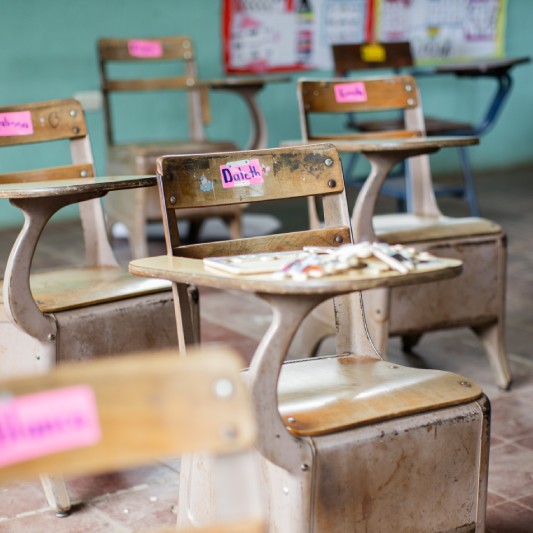
Another remarkable factor is the passion of teachers and staff, which compensates for the lack of material resources. The relationships between students and teachers go beyond education—they resemble mentorship, with teachers serving as guides, friends, and companions on students’ learning journeys.
 Contrasts Between Rural and Urban Areas
After visiting several rural communities, our Honduran journey took us to Tegucigalpa—commonly called “Tegus” by locals—where we found a stark contrast to the rural areas we had seen.
Poor housing, food insecurity, and a lack of early stimulation have caused serious learning challenges among the youngest children. Thousands migrate from rural areas to the city in search of a better life, only to face a crowded, noisy, and often hostile urban environment far removed from rural tranquility.
Here, the needs are most significant, and resources are most urgently required to address gaps in quality education and meet basic nutritional needs.
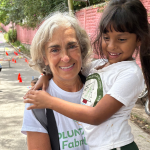
Each school we visited serves as an oasis within systemic chaos—a place of peace where children can play, learn, and eat, supported by teachers and staff dedicated to creating an environment conducive to growth and development, shielding students from the surrounding challenges.
We were particularly impressed by the results of the Sinergias project, focused on special education for children and adolescents with disabilities. We saw firsthand how the dedication of psychologists, teachers, and staff is yielding results and how they closely monitor the children’s progress. There is much work still to do, but it is encouraging to see tangible outcomes and the positive impact on personal development.
 Rising from Adversity
In early 2022, Fabretto faced the sudden challenge of having to leave Nicaragua (a story for another post), which forced the organization to reinvent itself and seek new partnerships to continue our mission of educating and feeding disadvantaged children and youth in Central America.
Fabretto’s partnerships with strong organizations in Honduras, such as ACOES, E2E, and Bayan, have enabled us to expand our reach to new groups and adopt new collaboration models, thereby strengthening our impact.
While we cannot fully embrace the saying “every cloud has a silver lining,” it is clear that when doors closed for us in Nicaragua in 2022, new opportunities opened, allowing us to continue our mission through robust alliances.
The trip to Honduras was highly positive. It gave us the chance to see firsthand the work we are doing, confirm that we are on the right path, and, most importantly, identify remaining needs and potential projects for the future.
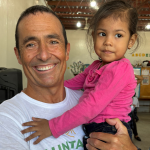 Without a doubt, we left with far more than we brought. This is the volunteer paradox: you set out with plans for what you will do, and you return carrying countless experiences, new friendships, and the love and gratitude of those around you.
This small adventure was an adrenaline rush that strengthened our commitment to Fabretto and our desire to continue supporting this project. The trip would not have been the same without the invaluable presence of our director, Silvia Larumbe, who ensured everything went perfectly.
We are already counting down the days until our next trip to Central America. Tick, tock, tick, tock, tick, tock 😊
About the Authors
Concha and Alberto have been friends of Fabretto for 26 years. They remain active and committed to the cause and are also members of the Foundation’s board in Spain.
.