4-6-26  |  Fundraising Our Programs

Plant the Roots of Learning, Nutrition, and Community

BY: Misty Lopez

Plant the Roots of Learning, Nutrition, and Community

At a primary school, a garden can change the rhythm of an ordinary day. Children water seedlings in the morning. A teacher turns the garden into a science lesson. School cooks add freshly harvested veggies to a school meal. In this shared space, learning, nutrition, and community begin to grow together.

Not only do seeds sprout in the soil, but deeper changes begin to take root, too: curiosity, confidence, responsibility, and connection.

Growth Begins in a Schoolyard

A school garden can be a place where children learn by doing, where fresh food becomes part of a meal, and where teachers and families come together around something practical and hopeful. In rural communities where food security remains a real concern, school garden matters.

Around the world, hunger and food insecurity continue to affect millions of people. The Food and Agriculture Organization (FAO) reports that 733 million people faced hunger in 2023. In Latin America and the Caribbean, 41 million people were affected by hunger that same year. But hunger is only part of the picture.

Food poverty, the lack of consistent access to diverse, nutritious diets, shapes the conditions in which millions of children grow up. According to a 2024 UNICEF report, 1 in 4 children under five worldwide are experiencing severe food poverty, making them far more vulnerable to malnutrition and its long-term effects on learning and development. In Latin America and the Caribbean, this challenge is real and close to home.

These numbers are large, but the response to them does not always have to begin at a large scale. Sometimes it begins in a schoolyard, with a garden that helps nourish children while also strengthening learning and community life.


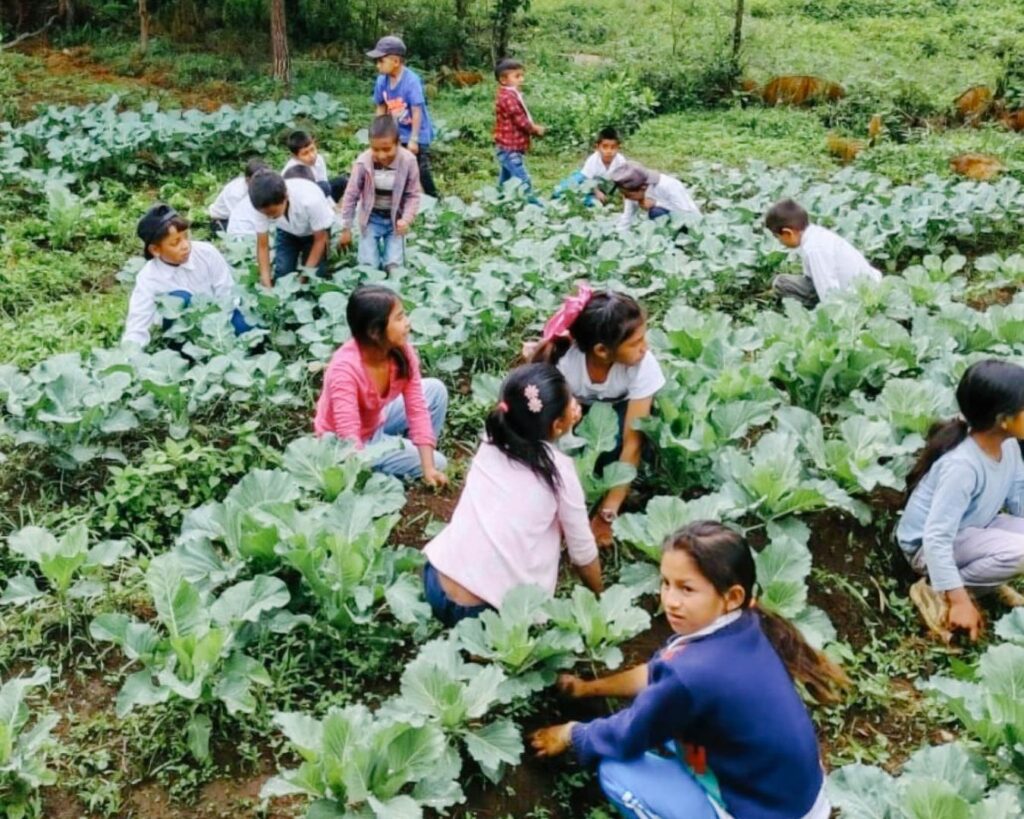
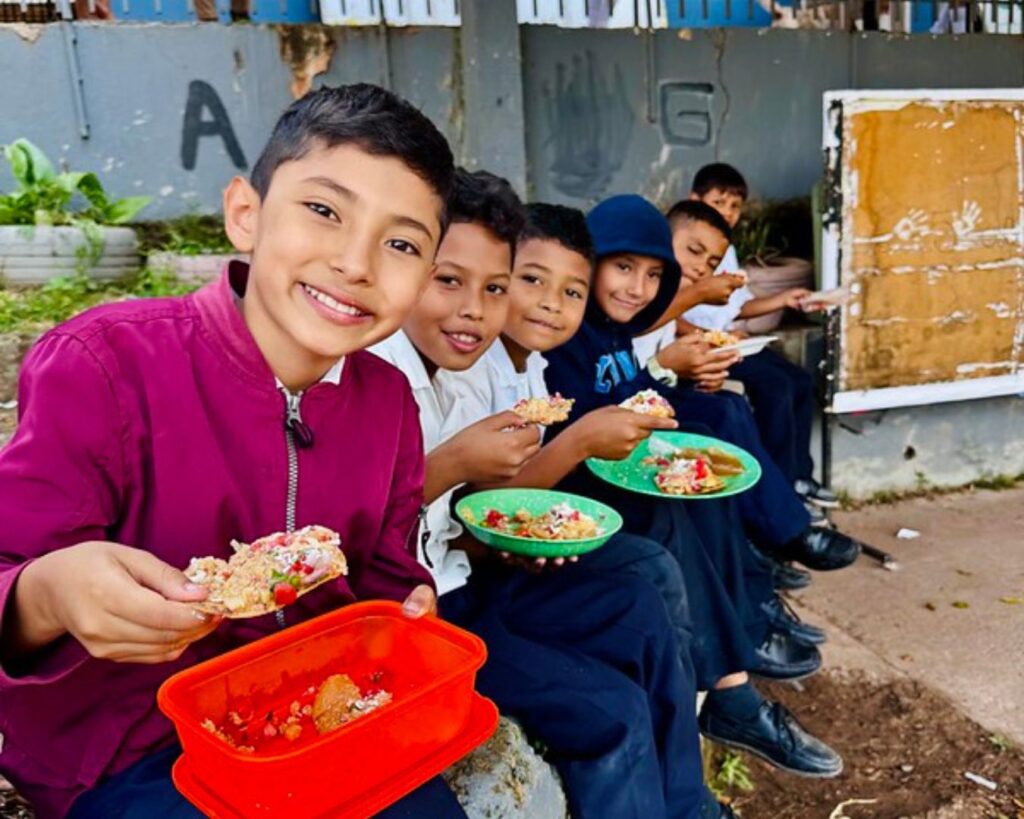
Children in school garden

Building on Decades of Experience

For Fabretto, this is not new territory. For more than 20 years, Fabretto planted school gardens alongside Nicaraguan students and their communities. 

In 2021 alone, Fabretto supported 383 school and family gardens, bringing fresh foods, hands-on learning, and increased family income to thousands of community members.

This new project builds on these decades of experience in Nicaragua, where school gardens became part of a broader, community-based approach to nutrition, education, and family engagement. Now, we’re using this experience to shape a new chapter in Honduras through our initiative: Plant the Roots of Learning, Nutrition, and Community.

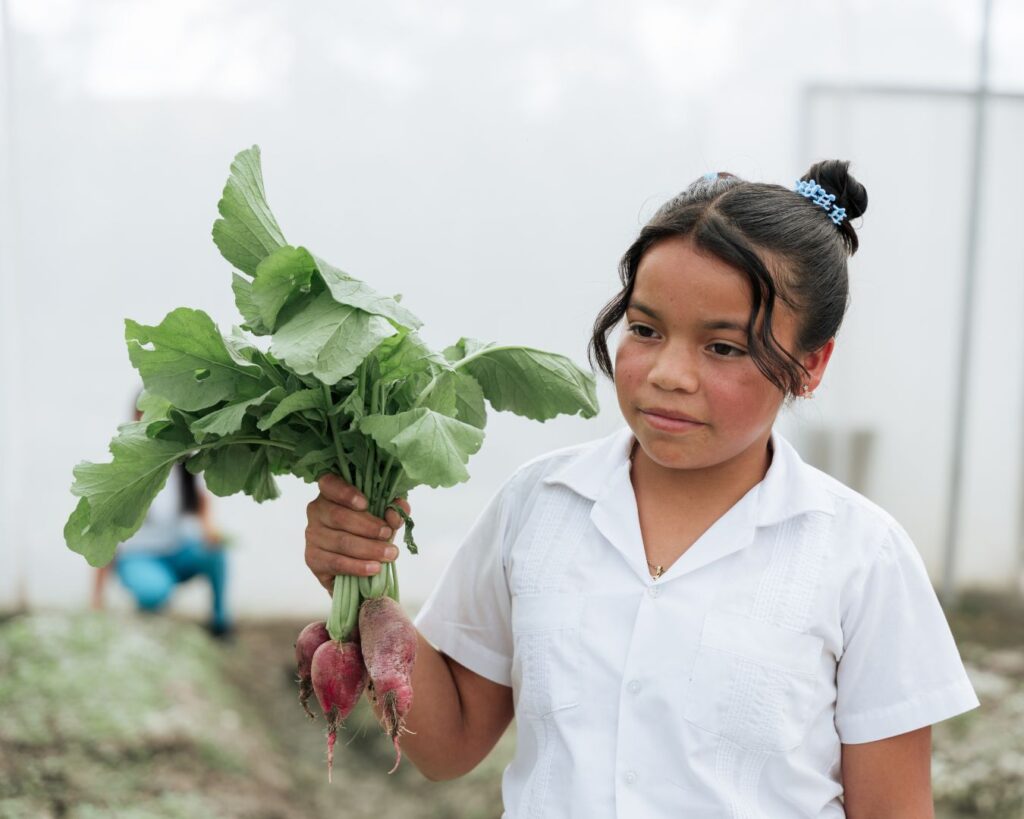
Fabretto school garden
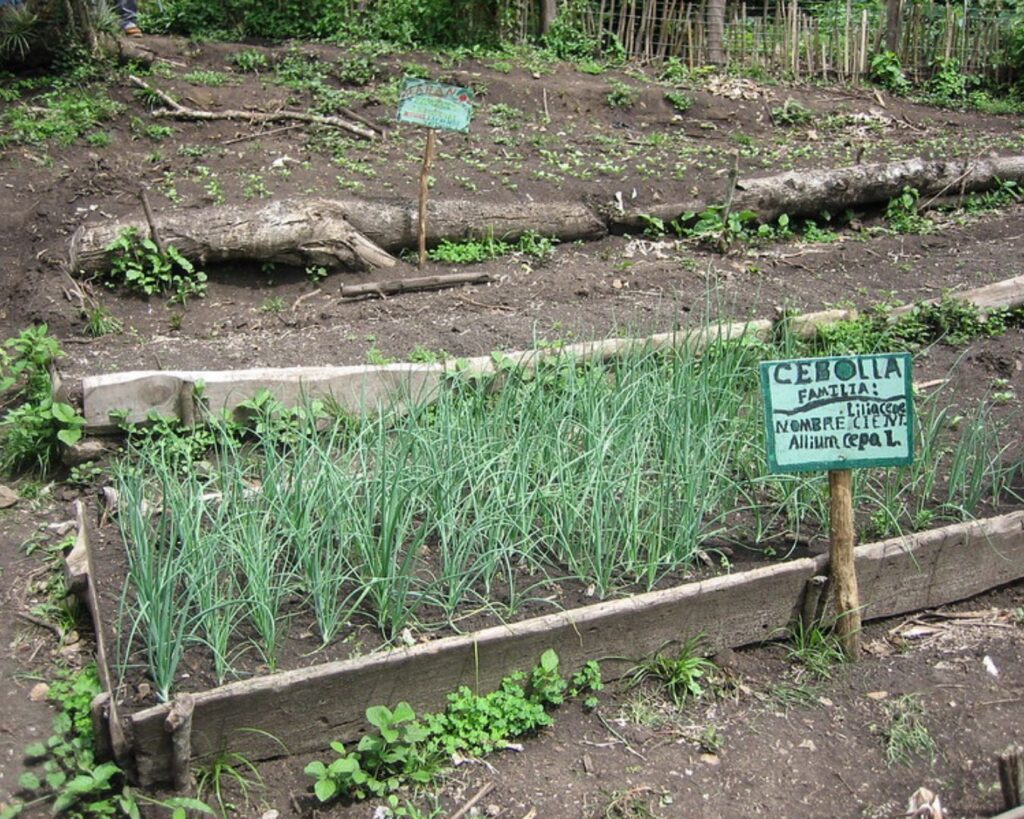
Onion plot in a school garden in Cusmapa, Nicaragua.

Why Honduras and Why Now

Through Plant the Roots, we are working to plant school gardens in five rural primary schools, reaching more than 400 children. These gardens are designed to become living classrooms where teachers and youth leaders lead hands-on learning, where fresh foods contribute to school meals, and where school communities grow something meaningful together.

Honduras holds real agricultural potential. Fertile soil and diverse climates make it possible to grow a wide variety of crops, and with the right support, that potential can reach the children and communities who need it most. We know that when gardens are rooted in local participation, practical education, and ongoing support, they can become a powerful part of a community.

At the heart of this initiative is a long-term vision. A garden may begin with seeds, tools, and training, but over time it can help strengthen the conditions children and families need to thrive, both in school and beyond.

The Roots of Learning

School gardens as learning labs

In rural Honduras, many children go to school ready to learn, but hunger, limited resources, and other daily challenges make it hard for them to fully engage in the classroom. This is part of what makes school gardens so meaningful in primary schools.

A school garden can serve as a living learning lab, giving children something real to learn from and care for. It turns lessons about science, weather, water, and the environment into something they can see with their own eyes. By connecting classroom learning to the land, food, and daily experiences around them, education feels more relevant and alive.

This is especially important in primary school, where children are still building habits, confidence, and their relationship to learning itself. It is one practical way to support learning that feels not only meaningful in the moment, but lasting over time.

The Roots of Nutrition

Food gardens also matter because nutrition and learning are deeply connected.

FAO’s work on school food and nutrition highlights the importance of helping children access adequate, nutritious, diverse, and safe food in school environments, while also building healthier food practices that extend to families and communities. When children have better access to nutritious foods and stronger food knowledge, schools become more supportive places for growth and learning.

A school garden does not solve food insecurity on its own, but it can be an important part of a broader response. Gardens introduce fresh fruits and vegetables into school meals. This helps children become more familiar with nutritious foods, and creates opportunities to talk about where food comes from and why it matters.

School gardens work best when they are part of a healthy food environment and when learning is tied to real practice. This connection is key. Food is not only something children receive. It can also become something they understand more deeply, participate in growing, and value in new ways.

In this sense, a school garden supports nutrition in two directions at once: by contributing food and by strengthening knowledge.

Nutrition from school gardens

The Roots of Community

In Fabretto’s experience, school gardens are most meaningful when they become part of a school community. Teachers bring the garden into lessons. Families help tend it, harvest from it, or connect it to meals and routines at home. Children see the adults around them investing in something practical and hopeful, and over time, the garden becomes more than a project. It becomes a shared space of participation and care.

Fabretto’s past work in Nicaragua helped make this especially clear. School gardens were strongest when they were connected not only to children, but also to parents, meals, workshops, and ongoing support. Families and school communities took part in tending gardens, preparing daily meals, and strengthening food knowledge together. In some cases, that learning extended beyond the school grounds and into home gardens as well.

That is part of what makes community involvement so important. When a garden is cared for by teachers, families, and students together, it is more likely to become part of daily school life and grow stronger over time.

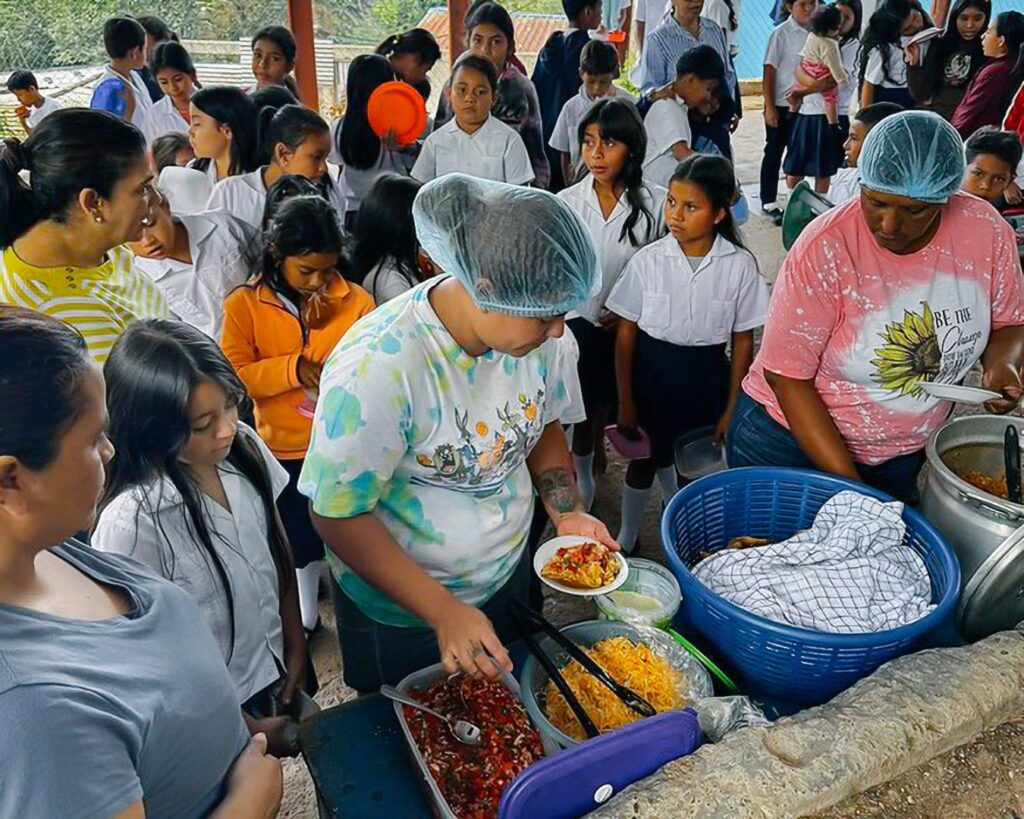
Community through school gardens
Parents distributing school meals made from the school garden harvest.

Growing What Lasts

A primary school garden begins with a small plot of land, a handful of seeds, and a few simple tools, and over time, it grows into something much deeper.

It helps children learn in ways that stay with them. It supports access to fresh and nutritious food. It brings teachers, families, and students closer together. And it reminds all of us that meaningful change often starts close to home, with practical steps rooted in hope.

In Honduras, Fabretto is working alongside five rural primary schools, reaching more than 400 children, to help create spaces where learning, nutrition, and community can grow together.


Help plant the roots of learning, nutrition, and community for children in Honduras today.

Fabretto Plant the Roots Today

Get Our Newsletter

Lorem ipsum dolor sit amet.

Get in Touch

United States +1 (703) 525-8716

Spain +34 616 60 99 53